

Juneteenth and the Power of an ‘Ink and Paper Proclamation’
Americans celebrate an imperfect path toward a more perfect union.
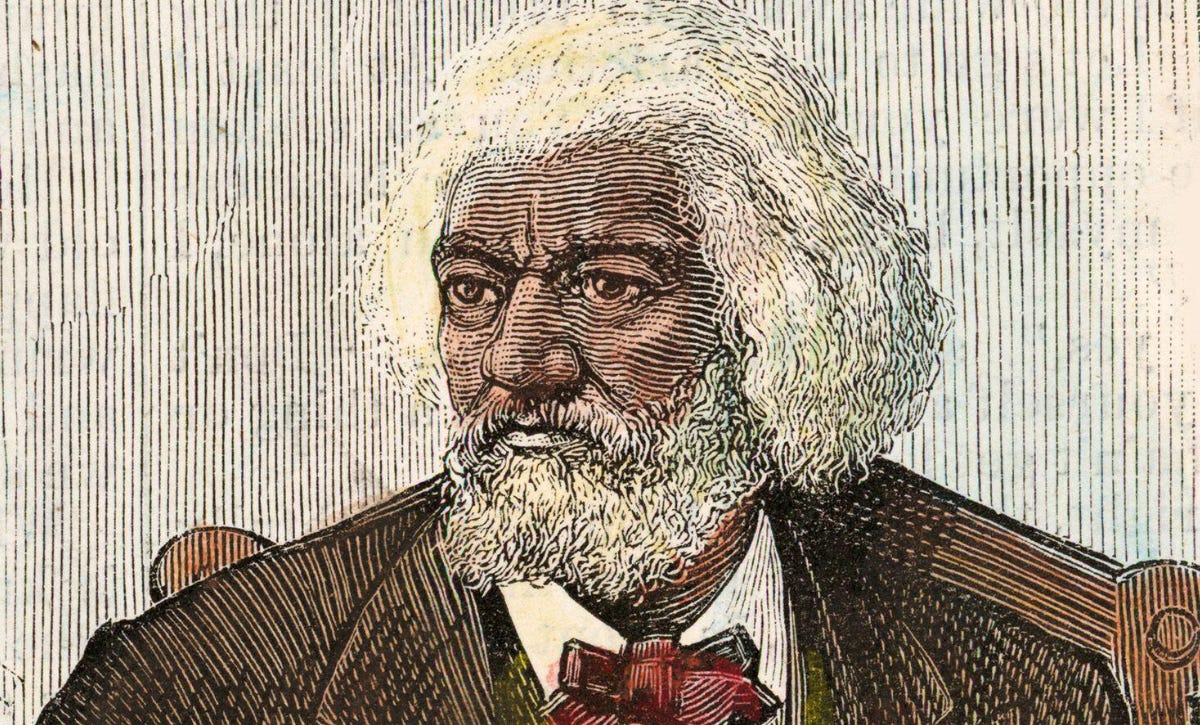
In the Wall Street Journal, Lucas E. Morel and Jonathan W. White described how Frederick Douglass saw Lincoln’s Emancipation Proclamation as an “ink and paper” promise, like the Declaration of Independence, which would ultimately help realize freedom despite delays in enforcement. The authors argue that Juneteenth and Independence Day both represent America’s ongoing journey toward the ‘more perfect union’ the framers envisioned.
Juneteenth joined Independence Day as a federal holiday in 2021, celebrating the day the Emancipation Proclamation freed slaves in the outer reaches of rebel-held territory. Critics of Lincoln’s proclamation—now as then—say it was ineffective because it took so long to be enforced. Yet Frederick Douglass, who devoted his life to freedom for black Americans, understood that paper declarations sowed the seeds of a more perfect union.
New AI tool allows users to chat with Jewish historical figures
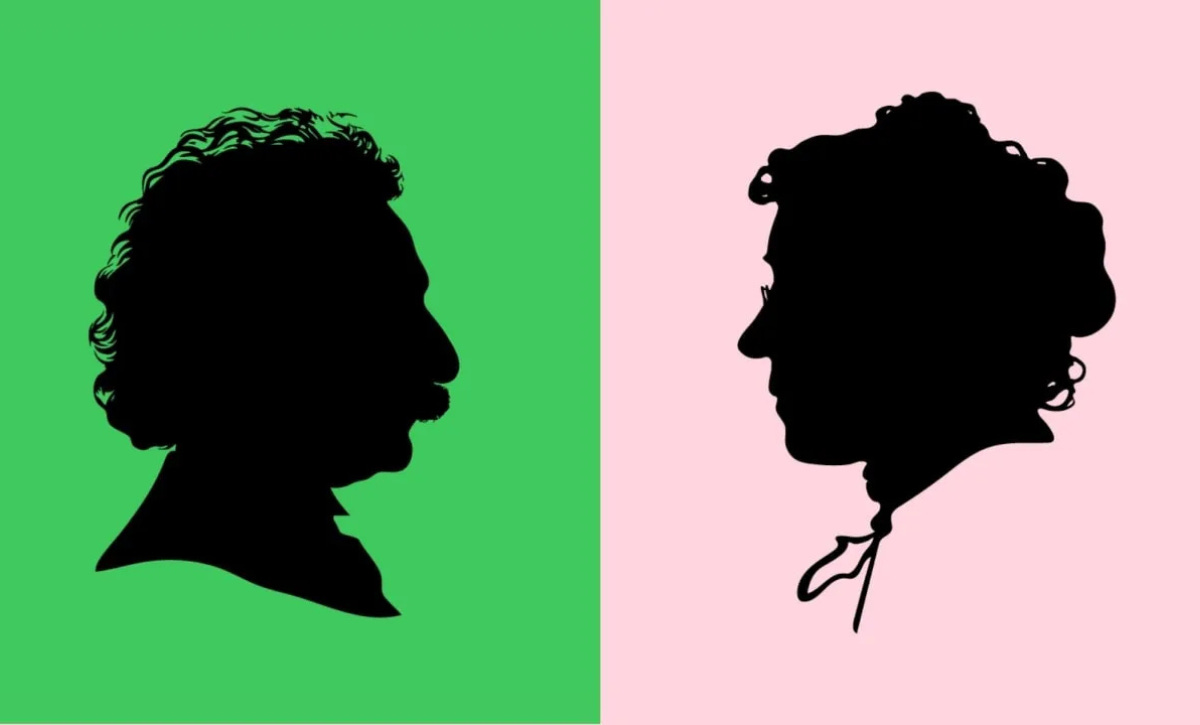
For The Jerusalem Post, Andrew Silow-Carroll introduces Ask Jewish Lives, a new free AI tool based on the Yale University Press Jewish Lives biography series that allows users to converse with nine historical Jewish figures, including Albert Einstein, Henrietta Szold, and Sigmund Freud, with answers drawn strictly from the books and protected against AI ‘hallucinations.’ The site, which offers classroom lesson plans and has been praised by historian Derek Penslar as more substantive than Wikipedia, is intended to enrich public exploration of the Jewish experience while encouraging readers to turn to the original biographies.
Jewish Lives says the site is designed to “enrich reader exploration of the Jewish experience.” They’ve created lesson plans to help educators use Ask Jewish Lives in high school and university classrooms.
“We wanted to extend the life of the books, to use AI to explore Jewish history and biography in a new way,” Rebecca Keys, managing director of Jewish Lives, told me.
Keys explained that the answers are based only on the various biographies, with various “guardrails” put in place to keep the chatbot from hallucinating.
Politics Needs Fewer Tribes and More Humans
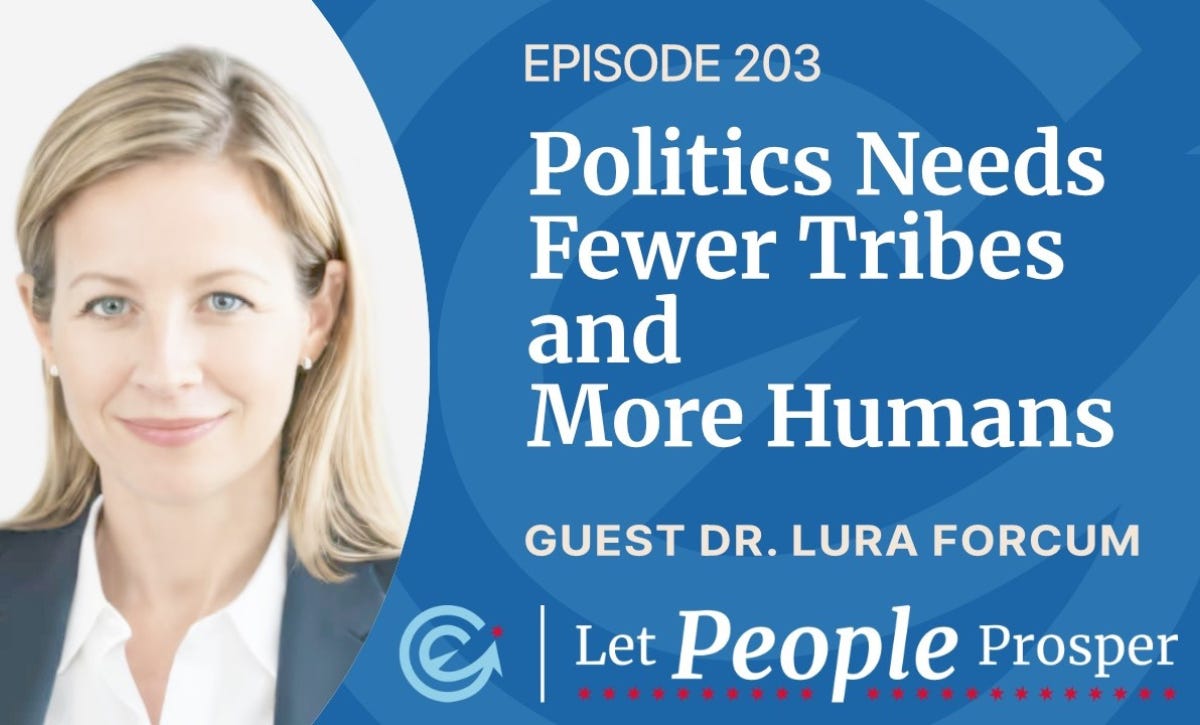
Economist Vance Ginn interviewed consumer and social psychologist Lura Forcum about why facts and charts rarely persuade, and how emotions, zero-sum thinking, and tribal framing block effective policy communication. In this episode of Ginn’s Let People Prosper podcast, Forcum stressed the need to acknowledge emotions and values, avoid “taboo trade-offs,” focus on shared goals and individual agency, and engage independents and local communities rather than relying on top-down government solutions or partisan battles.
FORCUM: I think… there’s a level of tribalism that means that claims about policy can be instantly left-coded or right-coded…. One of the really deep frustrations that I have is that… when everything is framed in zero-sum terms, we’re… limiting our imagination about what is possible…. I think you at least need to be cognizant that you’re not using language that’s going to make people entirely stop listening to you before you’ve had a chance to make your argument.

A Wonderful Bad Street
Our neighborhood looks awful, but if you ask the kids who live here, they’d say it’s the best.
Hope Henchey, writing in her Substack, describes her neighborhood, despite crumbling sidewalks, abandoned furniture, and neglected lots, as a place of deep joy and spontaneous community. Through an evening of neighbors dropping by with food, kids of all ages playing games, sharing stories, and laughing together for hours, she concludes that while the street lacks physical beauty, it possesses everything that matters in terms of connection, trust, and happiness.
These kids have figured out secrets to life and happiness that many adults tend to miss. They know each other, they love each other, they trust each other. They don’t need a lot in common. They’re neighbors.
This week:
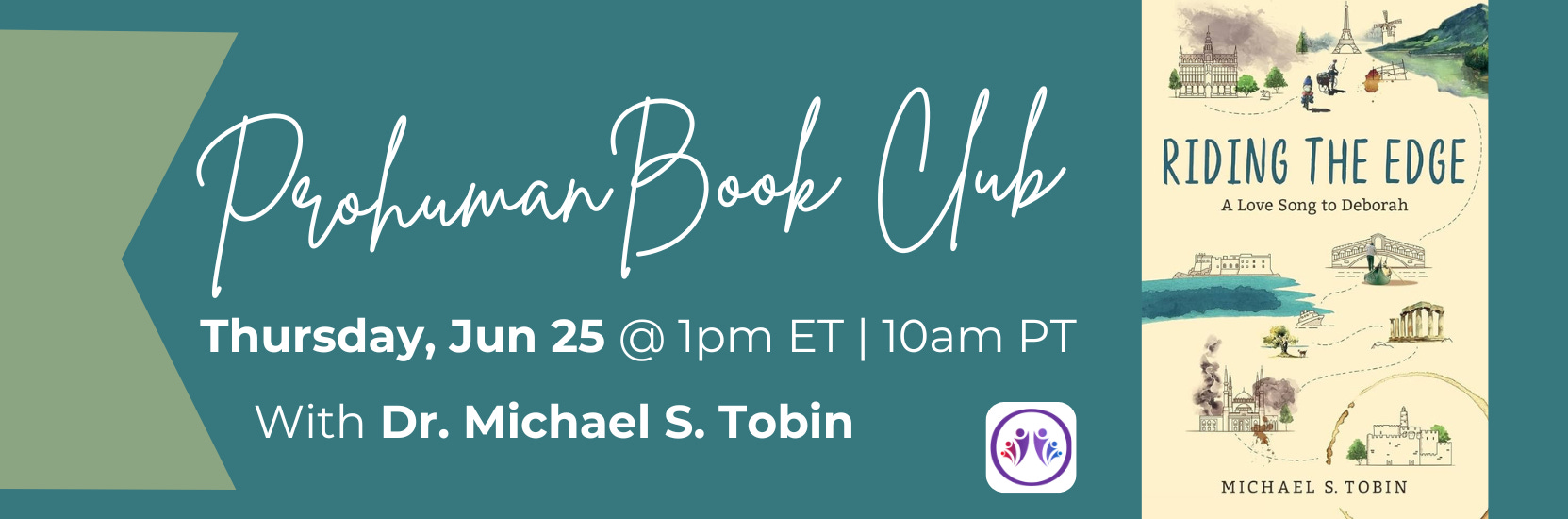
Award-winning author, clinical psychologist, and Prohuman Foundation advisor Dr. Michael Tobin will join us this week to discuss Riding the Edge: A Love Song to Deborah, his powerful travel memoir documenting a transformative 1980 bicycle journey across Europe and Israel with his wife, written in the wake of her Alzheimer’s diagnosis.
We’ll explore love, adventure, and what it means to honor a lifetime of connection, even as memory fades. Dr. Tobin’s writing is both clinically insightful and deeply human. Join us.

The plaque that marks the exact spot where Dr. Martin Luther King Jr. shared his dream on the steps of the Lincoln Memorial is fading. So is the brotherhood he called America to build.
Both can be renewed.
Help us reach our goal to restore the MLK marker and advance a culture of brotherhood over division.
Opinions expressed in selected articles do not necessarily reflect those of the Prohuman Foundation. We value diverse perspectives that enrich our understanding of topics close to our mission: to promote the foundational truth that we are all unique individuals, united by our shared humanity.