

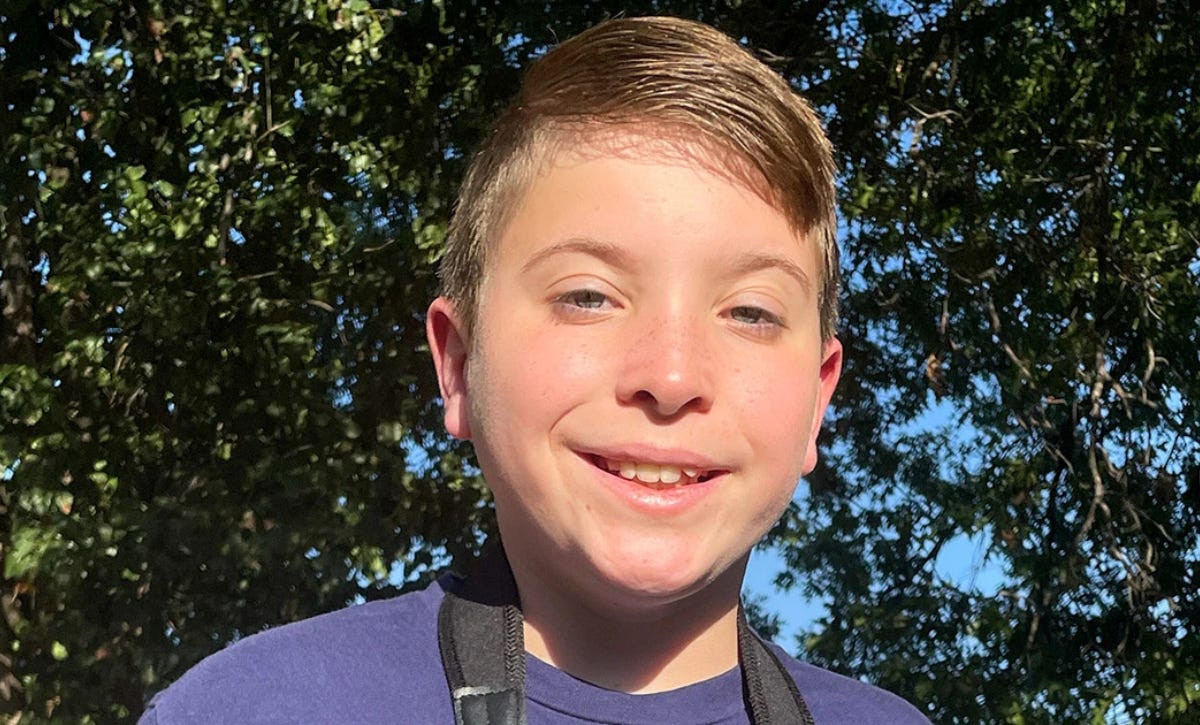
Student wins over school—and the Internet—with courage and a unique talent.
For CBS On the Road, Steve Hartman reported that 11-year-old Samuel Henderson of Choctaw, Oklahoma—the first special education student ever to compete in his school’s talent show—wowed classmates and went viral with his ability to imitate about 50 different bird calls. Hartman shows how Samuel, who has autism and Tourette syndrome, turned his remarkable skill into a joyful moment that has captivated millions. We hope you enjoy this story of how a community—and a nation—bonded over one child’s unique gifts and the acceptance of his peers.
HARTMAN: Samuel really wanted to compete, but no kid from special ed had ever participated. And this would be mostly singing and dancing and band instruments. So, bird sounds? His mother was nervous.
LORI HENDERSON: Some kids can be mean… and…
HARTMAN: And the thought of that happening on stage…
LORI HENDERSON: Yes, it would just break my heart if that were to have happened.
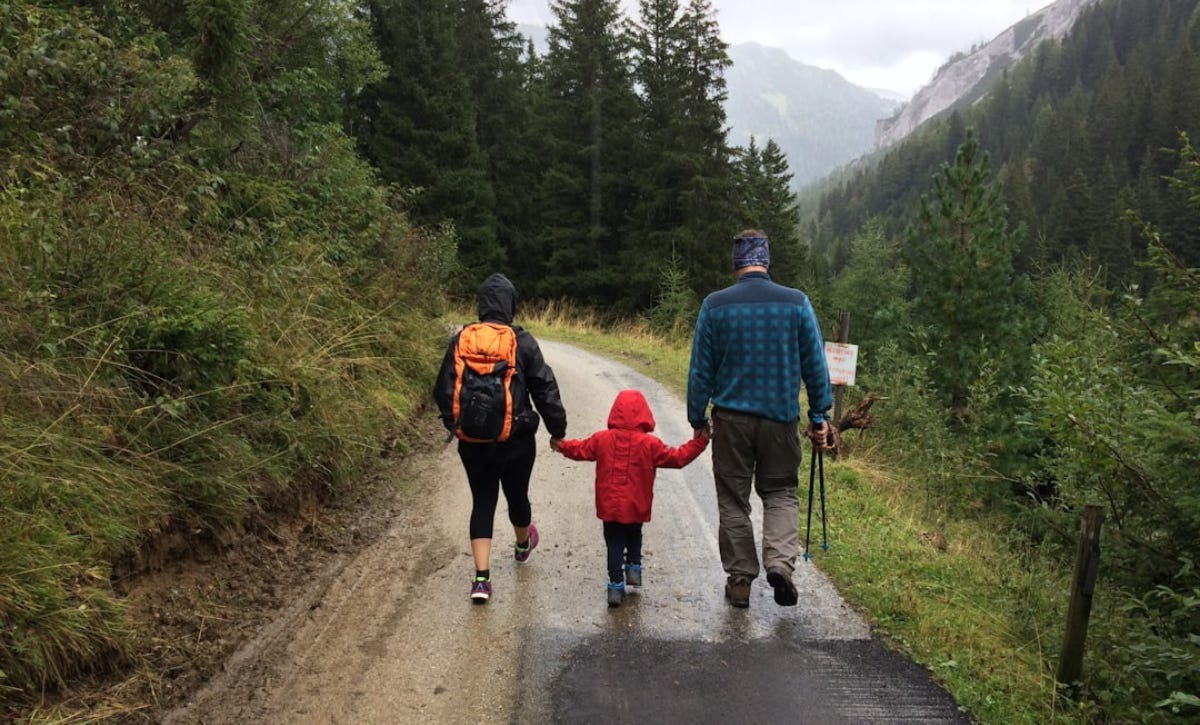
Culture Wars Colonized the Family. The Rest of Us Should Take It Back.
The institution that builds free societies doesn’t take sides.
Writing for her own Radical Moderate’s Guide to Life, Prohuman Foundation advisor Lauren Hall argues that liberals have ceded the family to ideological battles while overlooking its role as the pre-political institution that forms the habits of free societies. She urges liberals to reclaim it, showing how families cultivate self-governance, reciprocity, tolerance, and epistemic humility—the very foundations of markets, limited government, and pluralism.
When liberals think about institutions, we usually think of markets and governments, the big structures where our policy debates play out. But these conversations skip over a prior question: where do we find the people who make markets and governments work? What kind of institution produces adults capable of self-governance, voluntary exchange, peaceful disagreement, and the long-term thinking that sustains free societies?
The answer is the family, and yet liberals have had very little to say about it.
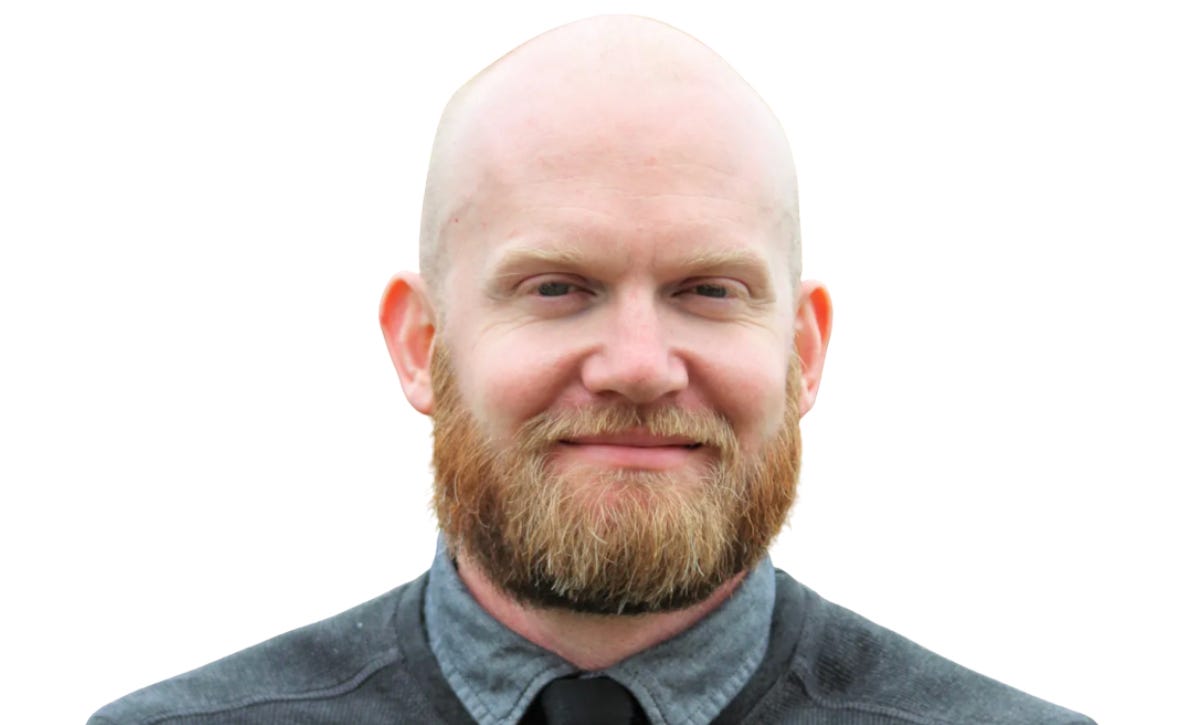
AI can be a powerful force for human progress. But it cannot be a substitute for human belonging.
In Fortune, Clay Routledge warns that while chatbots can simulate support and validation, they can’t replicate the mutual mattering, agency, and sense of belonging that come from real relationships. He reports on research showing that AI interactions fail to ease loneliness and may even deepen it over time, and argues that true fulfillment comes from knowing we matter to other people.
For the past 25 years, I have studied what makes human life feel meaningful — and what happens when that sense of meaning erodes. My research on nostalgia, the bittersweet longing for the past, revealed something that surprised even me: the memories people return to most powerfully are almost never about personal achievement. They are about other people. Being cared for. Showing up for someone else. Belonging to something larger than themselves.
If You Want to Build Community, You Have to “Waste Time” with People
And a handful of ways to find “unproductive” time
Dr. Vivek Murthy, former US Surgeon General, writes in his Substack Staying Human that an overemphasis on productivity can promote loneliness and weaken real relationships. He urges readers to carve out pockets of unstructured, agenda-free time with others. Lingering over a conversation, taking a longer walk, or simply sitting together—these moments, he argues, are where trust, belonging, and community take root.
If you want to build community, you have to give it time. Not optimized time. Unstructured, unhurried, “unproductive” time. The kind of time where conversations wander. Where nothing needs to be accomplished. Where people can show up as they are, not as the most efficient version of themselves.
For many people, pausing can feel impossible when you’re working hard just to make ends meet. But even small moments of connection can matter. Just 10–15 minutes of unhurried conversation or shared presence can help calm the body’s stress response and give our nervous system a chance to reset.

Together, we have made immense progress building a foundation for social harmony. But, we still need your help. A generous donor is matching every contribution to the Prohuman Foundation, dollar for dollar, up to $250,000. Join the movement and double your impact today.
Opinions expressed in selected articles do not necessarily reflect those of the Prohuman Foundation. We value diverse perspectives that enrich our understanding of topics close to our mission: to promote the foundational truth that we are all unique individuals, united by our shared humanity.