


Teaching Nuanced American History
Prohuman Foundation advisor Adam Seagrave joined Mitch Siegler, on THINC Deeply to discuss the necessity of using primary sources in civics instruction to move students beyond reductive identity categories toward an appreciation of individual human complexity. He argues that this approach restores the American ideal of inherent dignity, allowing a fractured citizenry to rediscover a unified national story.
SEAGRAVE: I think that primary sources are crucial for this as well... I think we need instructional materials that are better reflective of the complexity of historical events and peoples around the world... [to avoid] the knee-jerk reaction of viewing someone through the lens of a particular identity or category.
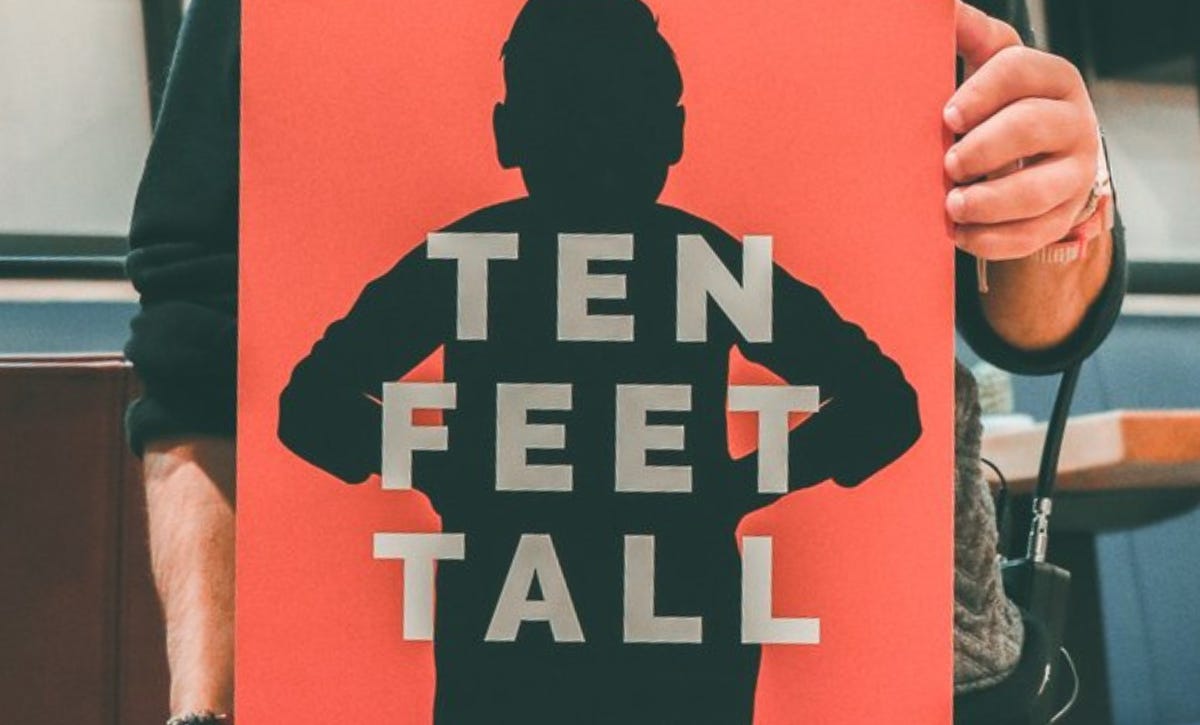
He wanted to disappear. Now he’s seen around the world.
For Derate The Hate, Wilk Wilkinson interviewed fellow Prohuman Foundation advisor Brandon Farbstein about reclaiming individual agency in the face of profound physical and social adversity. They discuss how grounding his identity in inherent worth rather than external labels transformed Farbstein’s suffering into a mission of service and respect for universal human dignity.
FARBSTEIN: People don’t need to know what it’s like in your shoes in order to relate to an experience or a sense of humanity. . . . while you don’t need to relate to having some rare condition or a disability or feeling different, I bet you relate to feeling unworthy at times. Feeling not enough. Feeling not lovable. And that’s kind of what it means to be a human being.

Deindividuation: Why People Change in Crowds
Cognitive scientist David Cycleback explores the phenomenon of deindividuation, illustrating how immersion into a group suspends personal self-monitoring in favor of collective momentum. He explains in his Big Ideas Substack how deindividuation amplifies prevailing group cues, replacing internal standards with the rewards of social belonging, and points out that the phenomenon is morally neutral.
In many group settings, deindividuation is not only present but actively encouraged. In concerts and festivals, synchronized movement, music, and shared attention reduce self-consciousness and merge people into a collective experience. Spiritual ceremonies use repetition, chanting, ritual, and coordinated behavior to produce a similar effect.
In more extreme cases, such as tightly controlled groups including cults, these mechanisms are intensified. Uniform behavior, shared language, and constant reinforcement of group identity weaken individual judgment and increase dependence on the group.
The mechanism itself is neutral. Whether it leads to good or bad outcomes depends on what the group is doing.
Can Words Harm?
My new measure that sparked Twitter outrage
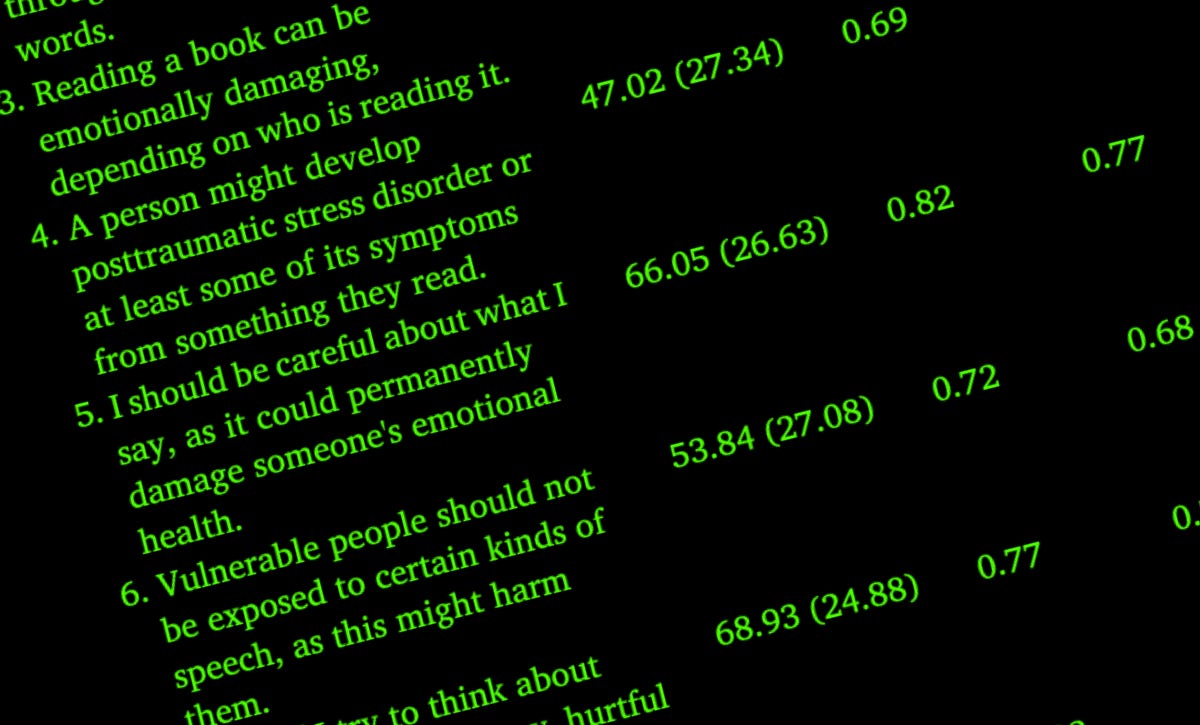
Psychologist Sam Pratt offers commentary on his Words Can Harm Scale (WCHS), a measure of the belief that words can cause harm, which his research suggests is correlated with poorer mental health and support for censorship. After drawing heated reactions online, Pratt clarifies that the scale is a neutral, scientifically valid tool that’s needed to “understand the roots of our deepest disagreements.”
Believing that words can harm was associated with some ostensibly positive traits, like self-reported empathy and intellectual humility, but also with support for censorship and moral grandstanding — the tendency to use one’s moral beliefs to gain status over opponents.
Maybe most striking was that the more strongly people believed that words can harm, the worse their mental health tended to be. They reported more anxiety and depression, lower resilience, greater difficulty regulating their emotions, and viewed themselves and others as especially vulnerable to trauma.
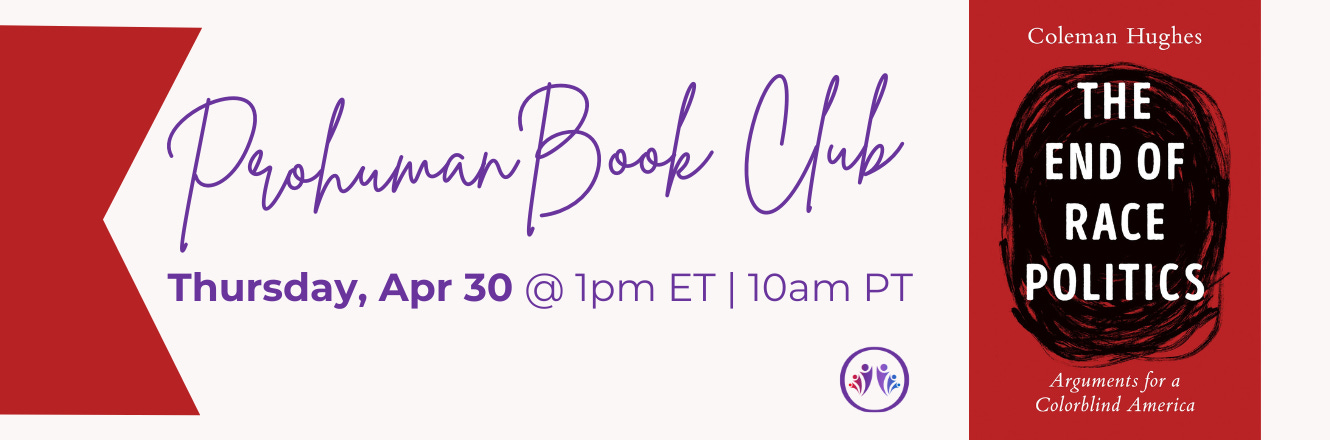
Coleman Hughes: The End of Race Politics
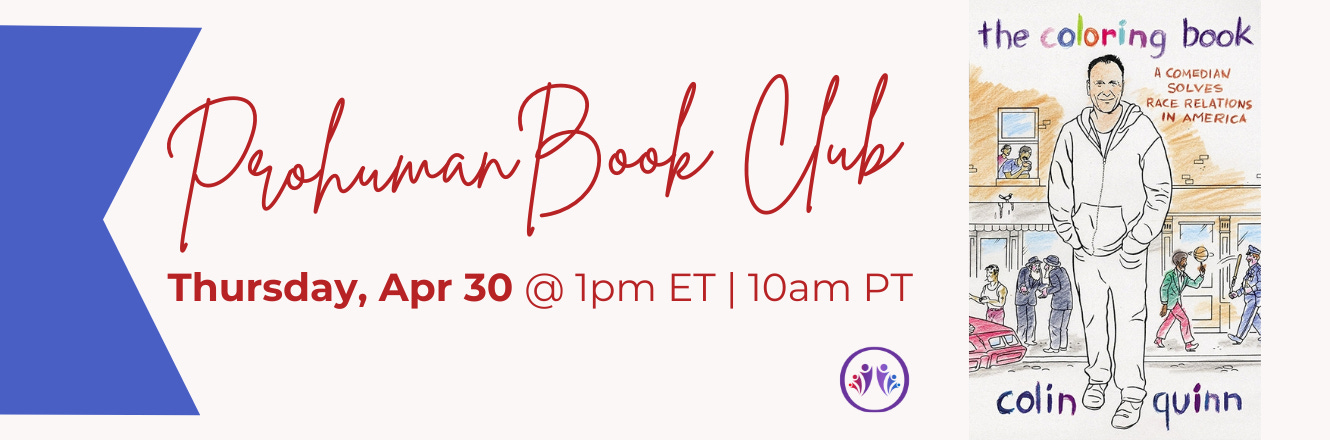
Colin Quinn: The Coloring Book: A Comedian Solves Race Relations in America
This month, the Prohuman Book Club will spotlight Coleman Hughes and Colin Quinn as they observe American race relations with clarity and wit from two distinct perspectives. We’ll begin with Hughes’ book as our primary focal point and conclude on a light, yet insightful note with Quinn’s comedic takes.

Together, we have made immense progress building a foundation for social harmony. But, we still need your help. A generous donor is matching every contribution to the Prohuman Foundation, dollar for dollar, up to $250,000. Join the movement and double your impact today.
Opinions expressed in selected articles do not necessarily reflect those of the Prohuman Foundation. We value diverse perspectives that enrich our understanding of topics close to our mission: to promote the foundational truth that we are all unique individuals, united by our shared humanity.