

Be positive: USF research shows your heart will thank you
A new study, reported by Joey Garcia for The USF Newsroom, measured the effects of frequent positive psychological interventions such as gratitude exercises and optimism training on cardiovascular health. Researchers found consistent improvements in cardiovascular risk factors and health behaviors after 8-12 weeks of ‘high-frequency engagement’ with the interventions.
Gratitude and optimism are two of the nine core character strengths emphasized in the Prohuman Foundation’s free K–12 curriculum.
Evidence that these strengths may also help protect the heart points to a deeper truth: individual well-being and social flourishing are connected.
One more reason to be optimistic about, and grateful for, the Prohuman Approach.
“Our findings show short-term cardiovascular benefits are most consistent when interventions are delivered frequently, often daily, over an eight- to 12-week period,” Kwon said. “In some cases, we saw people in positivity programs lower their blood pressure by about 7 to 8 points and take an extra 1,800 steps per day.”
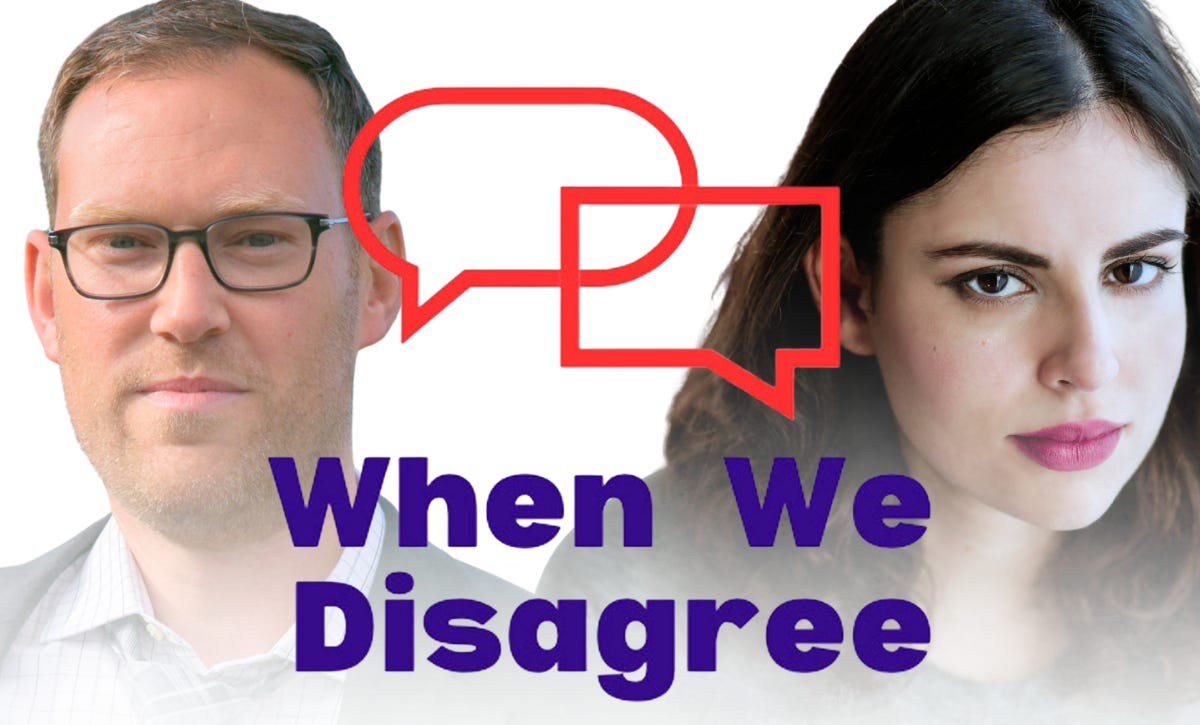
Anatomy of a Digital Boycott: When the Crowd Demands Retribution
On his podcast When We Disagree, Michael Lee interviewed his fellow Prohuman Foundation advisor Katherine Brodsky about being the target of intense partisan outrage while moderating an online forum for female journalists. She describes steering the forum away from politics and personal attacks, and how the ordeal helped a self-described ‘people pleaser’ find and free her voice.
…I thought maybe I’m wrong…. So many people are attacking me; maybe I’m wrong.
The thing that really changed things for me, that really turned it around, was the way that people went about it. It wasn’t that they disagreed with me. It was is how they did it.
I thought, ‘if the tables were reversed and I felt really upset with someone because of their decision or what they said, how would I behave?’ This was not it.

How some U.S. schools are teaching kindness classes
Steve Hartman reports for CBS News that some schools are using the free Kindness 101 program, which pairs stories from the CBS “On the Road” series with lesson plans created by the nonprofit Character Counts! to teach children kindness and character.
“Just makes me want to be a better person,” one student said of the lessons.

Live Music Makes Life Feel More Meaningful
Clay Routledge, in his Flourishing Fridays Substack, writes about research on live music and the phenomenon of ‘collective effervescence’—a shared sense of connection that increases meaning and happiness. Routledge emphasizes that at these in-person experiences build social cohesion among people from different backgrounds and political persuasions. He suggests they have the potential to counter polarization and pessimism by serving as powerful reminders of our shared humanity.
The live music industry is booming. Even as ticket prices have climbed sharply and consumers face real cost of living pressures, attendance at concerts, music festivals, and live events continues to grow with roughly seven in ten eventgoers saying they prioritize experiences over material goods. As I have written about in previous newsletters, people across generations, and especially teens and young adults, are increasingly hungry for real-world experiences that connect them to others and to the physical world around them. Live music is one of the most powerful expressions of that impulse, and new research helps explain why.
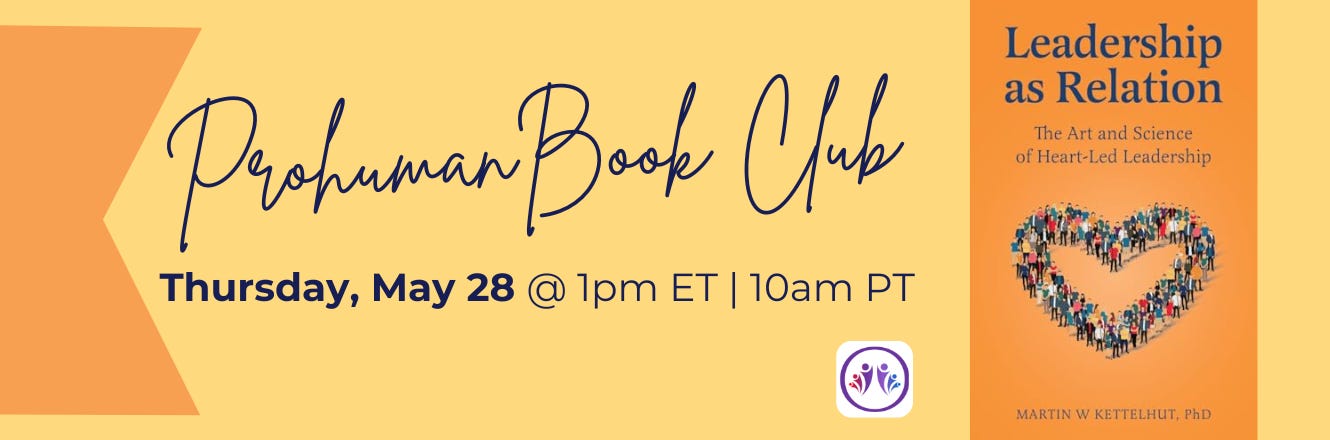
This week, we discuss Leadership as Relation by our own Prohuman Book Club host, Dr. Martin Kettelhut. The book asks, “How can we stay faithful to our soul’s deepest longings—personally and collectively—when the forces around us draw us away from the world we aspire to build?” Join us!

Together, we have made immense progress building a foundation for social harmony. But, we still need your help. A generous donor is matching every contribution to the Prohuman Foundation, dollar for dollar, up to $250,000. Join the movement and double your impact today.
Opinions expressed in selected articles do not necessarily reflect those of the Prohuman Foundation. We value diverse perspectives that enrich our understanding of topics close to our mission: to promote the foundational truth that we are all unique individuals, united by our shared humanity.